World Stroke Day is observed on 29th October, highlighting the serious nature of stroke and the high number of people affected worldwide. The day focuses on raising awareness about prevention, early detection, and treatment, helping more people understand how to act quickly and effectively.
Stroke can happen to anyone, at any age, and often without warning. That’s why it is so important to recognise the early signs and symptoms. Acting fast can dramatically improve outcomes and even save lives.
A stroke occurs when the blood supply to part of the brain is cut off, depriving it of oxygen. Within minutes, brain cells begin to die. This is why stroke is a medical emergency and immediate action is critical.
🛑 After a stroke, EVERY MINUTE COUNTS and EVERY SECOND MATTERS. The faster you act, THE MORE OF THE PERSON YOU SAVE. 🛑
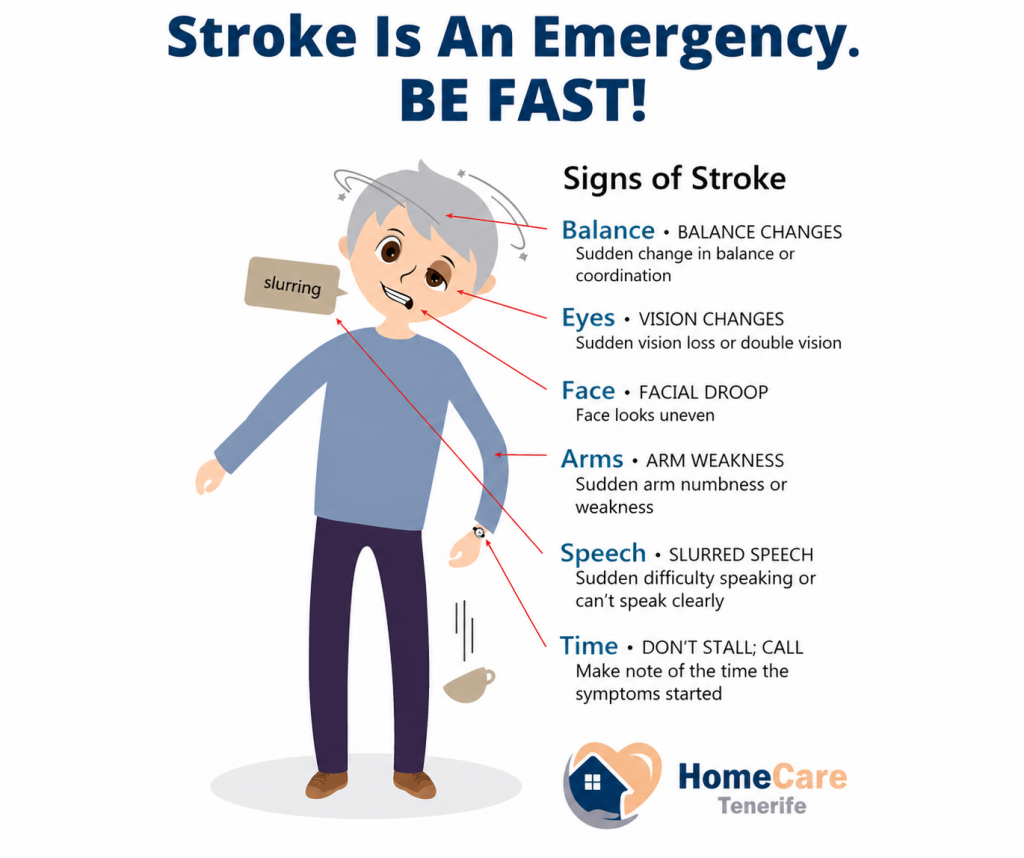
Knowing what to look for can make all the difference. Watch for sudden changes such as:
• Loss of balance or coordination
• Blurred or lost vision
• Facial drooping on one side
• Weakness or numbness in the arms
• Slurred or confused speech
If you notice any of these signs, do not wait. Call 112 immediately and seek emergency medical help.
Quick treatment can reduce long-term disability and increase the chances of a full recovery. Early intervention can also prevent further complications and protect brain function.
You can also reduce the risk of stroke by maintaining a healthy lifestyle, including regular exercise, a balanced diet, controlling blood pressure, and avoiding smoking. Prevention plays a key role in lowering stroke risk.
Spot the signs. Act fast. Save lives.
Click below to learn more about stroke symptoms, causes, treatment, and prevention:
https://www.nhs.uk/conditions/stroke/